Court Notes for Pickleball
Short reflections, practical insights, and field-tested observations on pickleball, pressure, focus, flow, and the Fluid Motion Factor.
Take a note…
Pickleball is full of moments that seem small but change everything.
A rushed return. A point you cannot let go of. A stretch of play where everything feels easy. A match where your body knows what to do until your mind gets involved.
Court Notes for Pickleball is where those moments are examined more closely.
This section gathers shorter articles on the playing experience itself: what disrupts performance, what restores it, and how players can begin to understand the difference between forcing the game and allowing it. Some pieces are practical. Some are reflective. All are meant to be clear, useful, and connected to a larger view of performance.
Court Notes for Pickleball covers topics such as:
- staying calm under pressure
- recovering after a bad point
- overthinking and tension
- focus during long rallies
- confidence shifts during competition
- the conditions that allow freer, more natural play
These are not meant as quick-fix gimmicks or motivational slogans. They are brief entries into a broader approach to pickleball, one that asks not only how to play better, but what gets in the way of the game you already know how to play.
A practical doorway into a deeper system
Many of the ideas explored here connect to the broader philosophy behind Pickle Juice and the Fluid Motion Factor.
The articles in Court Notes for Pickleball are intentionally focused and usable. They address specific moments players recognize immediately. But beneath those moments is a larger question: why does performance become easier, cleaner, and more natural when interference drops away?
That deeper question belongs to the larger system, covered in detail in Picklejuice – The Fluid Motion Factor for Pickleball
So while these pieces can stand on their own, they also lead toward a fuller understanding of how pressure, thought, attention, and physiology interact in play.
The Biggest Tell in Pickleball
One of the biggest tells in pickleball is not a paddle angle or body lean. It is what a player does right after a missed shot. Loud self-criticism, sulking, or even subtle bad vibes can tighten the body, disrupt teamwork, and make both partners less free. Here’s how t…
The Release Technique
The Release Technique and Pickleball Approval, Control, Safety, and Flow Pickleball has a sneaky talent for revealing what is happening inside us. A third-shot drop, a dink exchange, a hand battle at the kitchen line, and suddenly the body is not just moving. It is…
Why Your Pickleball Game Tightens Up
Why Your Pickleball Game Tightens Up: Approval, Control, Safety, and the Supervisory Brain Most pickleball players know this feeling. One game, your touch is there. The reset drops softly into the kitchen. Your third-shot drop feels feathered rather than forced. Your…

Unconscious Pickle
Unconcious Pickle… or Is It Actually Conscious? Every pickleball player knows this moment. You are in a fast hands battle. Everything is happening too quickly to think. Then somehow, your paddle snaps to the ball, you hit a ridiculous winner, and everyone on the…
Incremental Growth
As we described in our book, the changes to your game from reading the book are not instantaneous and permanent. Yes, there can be immediate remarkable results using soft eyes (see Amazon review) and other techniques that the book preents, and yes it can improve…
Freedom
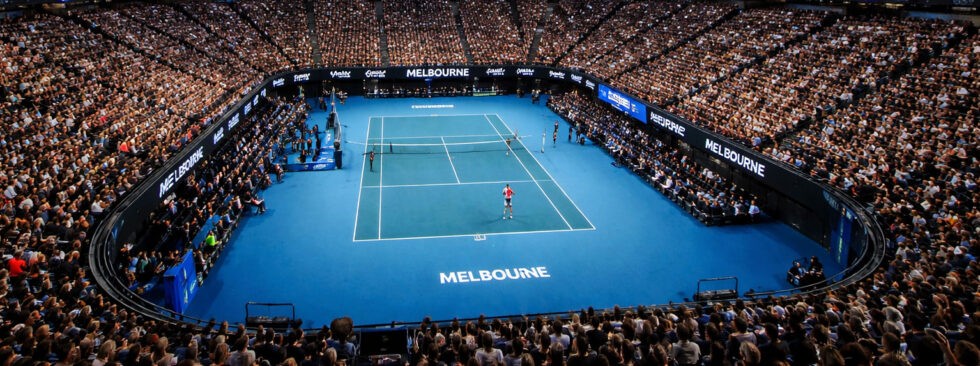
I’ve been watching the Australian Open (tennis) this week and what I saw I see in all sports. What separates the players that do the best, including Carlos Alcarez the winner, is the level of freedom they have during key points. In any tennis match there are five or…

The Ghost Ball
Strong intermediate athletes in racquet and paddle sports often run into a frustrating pattern: the swing feels fine, the intention is clear, and the contact still comes out slightly off. One reason can be visual, not mechanical. In the final instant before contact,…