Playing Calmly and Clearly Under Pressure
How to Perform Under Pressure in Pickleball
Pressure in pickleball rarely feels dramatic. It arrives quietly. Your grip tightens. Your swing speeds up. Your attention shifts away from the ball and toward the outcome.
And suddenly, the same shots you’ve made all day begin to feel uncertain.
This isn’t a loss of skill. It’s a change in how you’re seeing and responding in the moment.
Learn how to maintain your composure and trust your instincts when it matters most.
Pressure and Performance in Pickleball
What Pressure Really Is
The Future Problem
What Happens Next
The FMF Perspective
FMF asks:
Choking Reconsidered
A Different Definition of Success
FMF encourages another measurement:
Pressure Can Become a Teacher
What Pressure Really Does
Most players think pressure is something emotional that needs to be controlled.
But pressure is better understood as a shift in attention.
Instead of staying with the ball, your mind begins to move ahead, trying to manage outcomes, avoid mistakes, or “make something happen.” That shift interferes with timing, and in a fast game like pickleball, timing is everything.
TIGHT GRIP: Your hands close down without you noticing, reducing feel and touch.
RUSHED SWING: You speed up the motion instead of allowing it to unfold.
OVERTHINKING: Your mind inserts instructions into movements that are already learned.
Why Players Tighten Up
When under pressure, the brain attempts to micromanage performance. It steps in to guide the shot, to make sure everything goes right. But pickleball isn’t a game that rewards conscious control at the moment of action. It rewards trained responses, timing, and perception. When the mind takes over, it disrupts what the body already knows how to do.
You don’t lose your skill under pressure. you lose access to it. Recognizing this tendency is the first step to overcoming it.
But let’s understand this from a broader perspective. Feeling pressured just means that you are not playing in the moment, but focussing on some future goal. And that goal probably has something to do with self-image, some kind kind of desired accolade for for your play. But if you are not playing for praise, but to experience the flow state that we are calling the Fluid Motion factor, you do not have an exterior goal, but an interior one. And that goal has no judgment or urgency in it. You are not playing to prove yourself, but to BE yourself more fully in dynamic action.
You are pre-approved. Go and do well.
Go Deeper with Pickle Juice
These ideas are part of a larger system.
Pickle Juice: The Fluid Motion Factor for Pickleball brings together the mental, perceptual, and physical elements of performance into a single, practical approach. It shows how to move from effort and control toward clarity, trust, and fluid motion, especially when it matters most.
Related: Pickle Juice blog posts
Why Thinking Too Much Hurts Your Pickleball Game
The Short Answer: Thinking too much hurts your pickleball game because it interrupts the body’s natural timing, feel, balance, and reaction. From the Fluid Motion Factor perspective, overthinking puts the verbal, supervising mind in charge of movements that the body…
The Biggest Tell in Pickleball
One of the biggest tells in pickleball is not a paddle angle or body lean. It is what a player does right after a missed shot. Loud self-criticism, sulking, or even subtle bad vibes can tighten the body, disrupt teamwork, and make both partners less free. Here’s how to spot it and how Pickle Juice offers a better response.
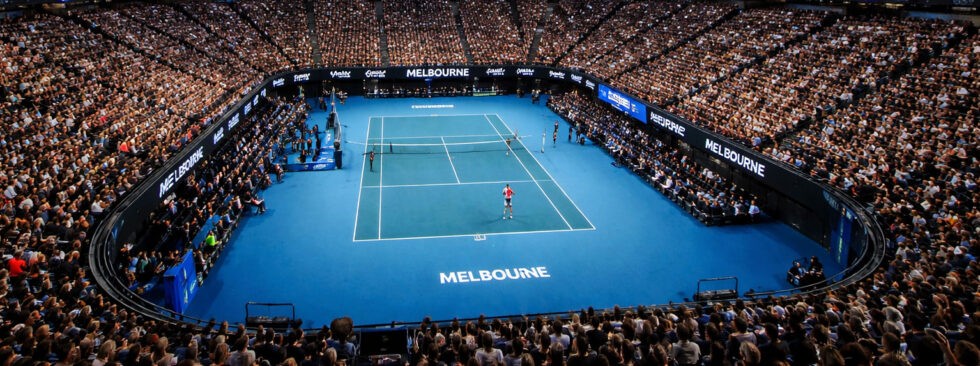
Freedom
I’ve been watching the Australian Open (tennis) this week and what I saw I see in all sports. What separates the players that do the best, including Carlos Alcarez the winner, is the level of freedom they have during key points. In any tennis match there are five or…